How to Choose a Mixing Engineer: Why Musical Background Matter
Choosing the right mixing engineer can have a huge impact on how a song ultimately sounds and feels. While many artists focus on equipment and studio technology, another factor often plays an equally important role: the musical background of the engineer.
The musical background of the mixing engineer.
When musicians choose a mixing engineer, they usually look at equipment, studio acoustics, and experience. But one of the most important factors is rarely discussed.
The studio space, the acoustic treatment, the equipment, the experience of the engineer, and the examples of previous work are very important. They help artists decide whether a studio might be the right place for their project. But there is another factor that is rarely discussed — and in my opinion, it may be one of the most important: The musical background of the mixing engineer.
Beyond Equipment and Technology
A good engineer with years of experience, working in a well-designed control room with high-quality monitoring and equipment, will normally be able to deliver better results than someone working in an improvised space with limited experience and tools. Naturally, the price often reflects these differences, and every artist must decide what best fits their project and budget.
But technical resources alone do not tell the whole story.
What musicians often overlook when choosing a mixing engineer or producer is the musical formation of the person behind the console.
I am not referring only to academic degrees in music — although those can certainly help. What matters even more is the musical environment someone was exposed to during their formative years.
Why Musical Understanding Matters
In my view, musicians should look for mixers and producers who are musicians themselves, people who instinctively ask a simple but essential question when they listen to a song:
“What is this song trying to say?”
Understanding the emotional intention of a piece of music is perhaps the most important quality a mixing engineer can have. Of course, technical skills are essential. A mixing engineer needs to be able to enhance a song by:
- • improving clarity
- • enhancing groove and movement
- • creating depth and space
- • making the vocals emotionally compelling
They must develop great ears — recognizing when something is too bright, too muddy, too compressed, or too crowded. They must balance instruments so the mix feels natural and musical, understand tone and frequency relationships, and communicate effectively with artists, translating emotional language into technical decisions. But above all these skills lies something deeper: the ability to truly understand the music.
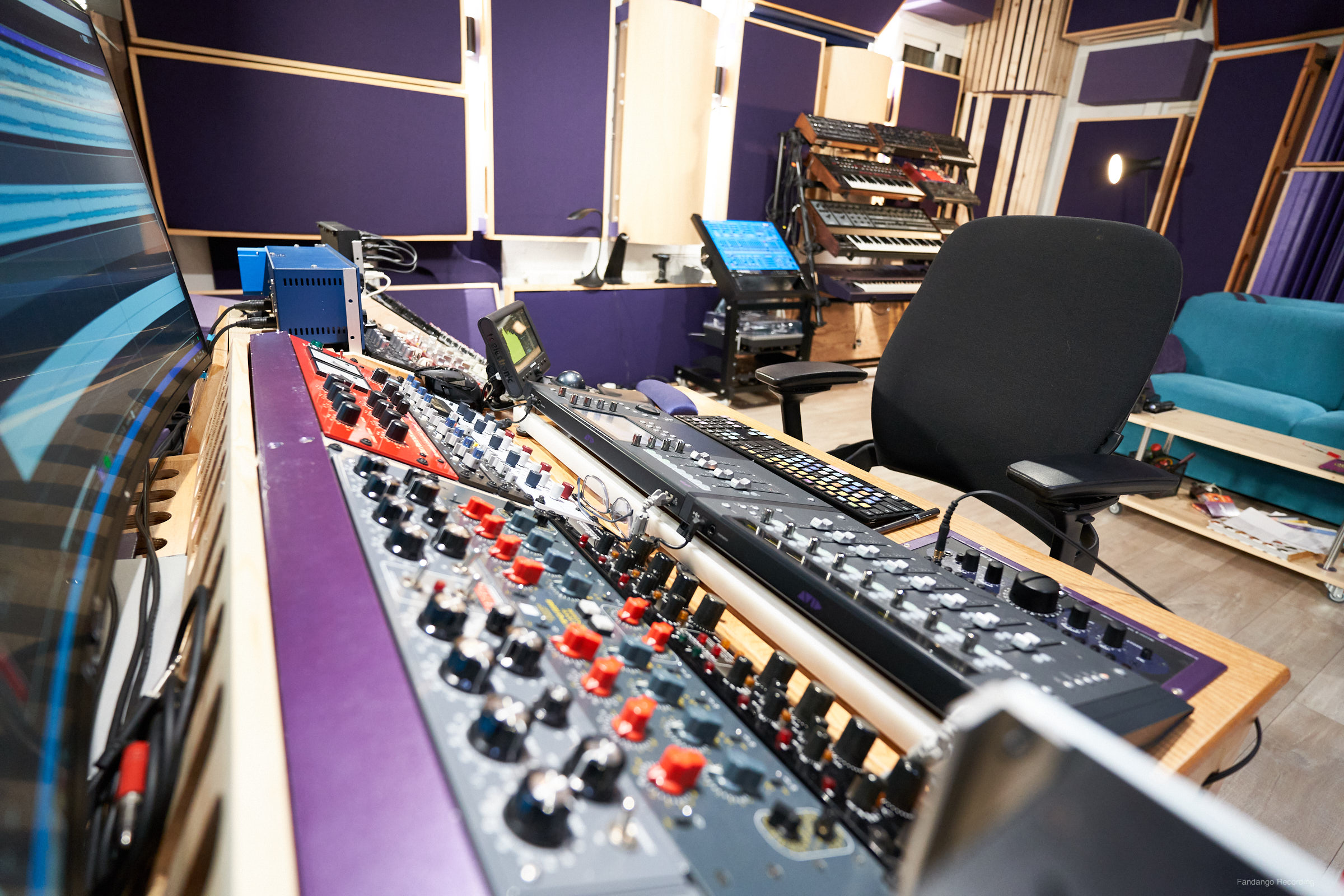
Where does this musical understanding come from?
From my own experience, and from many conversations with some of the best engineers in the industry, this understanding usually comes from a lifetime of listening to and engaging with music.
It often begins very early.
When I was growing up, my school organized regular visits to the opera and to Sunday morning concerts at the philharmonic. These events were part of the curriculum from grade five to grade eight. At the time, many of us students probably saw them simply as mandatory activities, but looking back I realize how influential they were.
I owe a great deal to the educators who believed that exposing young people to music could enrich their lives. Even today I can remember the sound of the orchestra, the way different sections interacted, and the sense of space, pacing, harmony, and tension that large ensembles create.
At the same time, I began learning piano and later guitar at the age of ten — first classical music and eventually rock. Learning songs by ear was incredibly exciting, and later that experience helped me when arranging music for the rock band I played in.
During my university years, I discovered the great jazz musicians. Listening to artists like Miles Davis, John Coltrane, and Thelonious Monk opened a new world of musical creativity and expression.
Rock music was what I loved at that time, but by then I had developed an openness and appreciation to many different musical styles.
Musical Experience and Technical Craft
Over time, while learning the technical aspects of recording and mixing, I realized that my musical background was constantly helping me improve as an engineer.
The best engineers do more than manipulate sound. They recognize how melody, rhythm, harmony, and arrangement interact. They understand how a song builds tension, how groove creates movement, and how dynamics shape emotional impact. This kind of musical awareness allows an engineer to support the artist’s vision instead of simply processing audio.
Engineers with a Signature Sound
Many successful mixing engineers are known for a recognizable sonic style, and artists often choose them for that specific character. For example:
- • Chris Lord‑Alge is known for powerful rock mixes with strong drums and guitars, working with bands like Green Day, Muse, and Foo Fighters.
- • Serban Ghenea has shaped the sound of major pop productions for artists such as Taylor Swift and Ariana Grande.
- • Michael Brauer is known for his highly dynamic mixes for artists like Coldplay and John Mayer.
- • Derek “MixedByAli” Ali has played an important role in defining the sonic character of modern hip-hop with artists such as Kendrick Lamar.
These engineers developed distinctive sonic identities that artists specifically seek out. I studied and love their work.

The Example That Always Inspired Me
The one engineer whose career always fascinated me is Al Schmitt.
Over a career spanning more than seventy years, he recorded and mixed an extraordinary range of artists: Miles Davis, Duke Ellington, Ray Charles, Frank Sinatra, Bob Dylan, Paul McCartney, Steely Dan, Diana Krall, Toto, Jefferson Airplane, Jackson Browne, and many others.
Working under the mentorship of Tom Dowd early in his career, he developed an exceptional understanding of microphone placement and musical balance. He often relied less on equalization and more on capturing the right sound at the source. Everything he did proved he understood emotionally the song. I am impressed by his ability to understand the story of the song, regardless of genre.
Learning from the Masters
During the years I lived in Toronto, Canada, I regularly attended industry events such as the conventions of the Audio Engineering Society and the NAMM show in the United States.These events offered the opportunity to attend seminars and occasionally spend informal time with some of the leading engineers in the field.
One thing that always impressed me was their attitude. They were generous with their knowledge, enthusiastic about music, and remarkably humble considering the legendary recordings they had been part of. Listening to their stories about the creation of famous albums was fascinating, but what struck me most was that many of them shared the same idea:
great engineers are first and foremost great listeners.
They have spent their entire lives listening to music across many styles — classical, jazz, rock, pop, and beyond.
Why This Matters for Artists
For the artist, all of this may sound technical or even abstract. But in practice it translates into something very simple. A mixing engineer with deep musical experience is often better equipped to:
- • understand the emotional direction of a song
- • interpret the artist’s vision
- • recognize what elements should lead the arrangement
- • preserve the identity of the music while enhancing clarity and depth
Many artists worry that an engineer might not fully understand their ideas or intentions. A strong musical background helps bridge that gap. When an engineer truly understands music, the mix becomes more than a technical process, and it should. It becomes part of the storytelling of the song — helping reveal its full potential while respecting the artist’s vision.
Choosing a mixing engineer is ultimately about trust
Equipment, experience and technical knowledge all play important roles, but the ability to truly understand music — its emotion, structure and intention — can make the biggest difference in the final result. An engineer who has spent a lifetime listening to music, playing it, studying it and working across styles is often better equipped to understand what your song is trying to say and help it reach its full potential.
If you are curious about how this kind of approach works in practice, you can explore more about the philosophy and work of Fandango Recording on the rest of the site.
Stay tuned,
Flo
Written by Florin Buciu, recording engineer and producer at Fandango Recording in Calonge, Spain. Since 1997, Florin has helped artists bring emotional storytelling to life through recording, mixing, mastering, and production.
Tags: Mixing studio Barcelona, Mixing studio Espańa, Online mixing studio Europe, Online mix and mastering